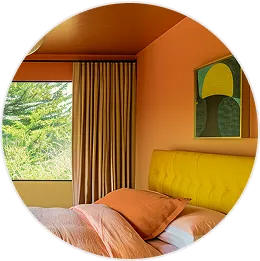
Wall Paint Samples
Finding the right paint color is easier than ever with paint samples from DesignShop. Our collection of interior paint samples lets you test shades in real life—right on your walls—before making a commitment. Whether you're exploring bold hues, timeless neutrals, or trendy earth tones, our peel-and-stick wall paint samples provide the perfect way to visualize how a new shade will look in your space with confidence. Skip the guesswork of digital swatches and take the stress out of color selection with a paint sampler that allows you to see how lighting and surroundings influence each shade. Our carefully curated selection of interior wall paint samples ensures you'll find options that match your vision, whether you're refreshing a single room or planning a full renovation. At DesignShop, we believe great home design shouldn't be complicated. That’s why we make sampling effortless—so you can focus on finding colors that bring your design to life with peel-and-stick paint samples. Browse our collection, get samples delivered overnight, and experience the difference of sampling colors in your own space before you paint.
Wallpaper / Countertops & Stone / Paneling