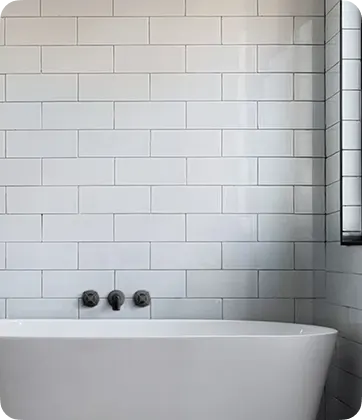
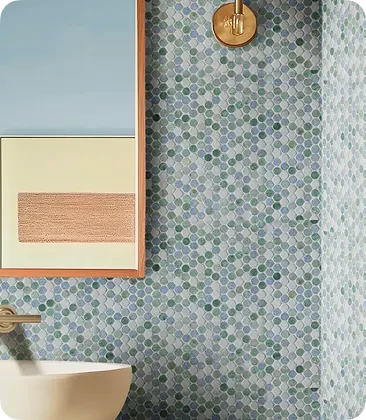
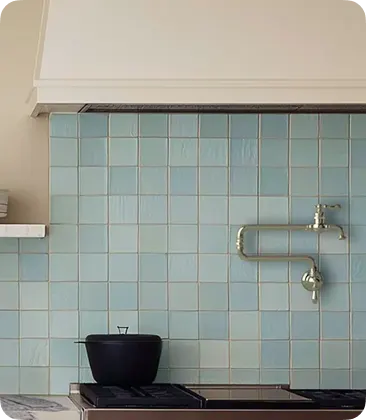
Tiles made for high-moisture spaces, like bathrooms, showers, and laundry rooms, should offer durability, water resistance, and easy maintenance. Porcelain tile is a top choice because it’s dense, non-porous, and able to withstand constant exposure to moisture. Glazed ceramic tile can also perform well in wet areas, especially when selected from high-quality tile samples that show how the finish resists water. Natural stone can be used too, but it typically requires sealing and more upkeep. When reviewing tile samples, look for materials with low water-absorption ratings, as they’ll hold up best in damp or splash-prone environments.

Tile Samples
Frequently Asked Questions
Floor tiles need to be stronger and more durable than wall tiles, which are typically lighter and designed for vertical installation. When evaluating ceramic tile samples or porcelain options, check the tile’s PEI rating or manufacturer guidelines, these clarify whether it can handle foot traffic, furniture weight, and daily wear. Wall-only tiles often have a smooth, lighter finish and are not built for impact or pressure, making them perfect for backsplashes and accent walls. Floor-rated tiles can be used on walls for a cohesive look, but wall tiles should never be placed on floors.
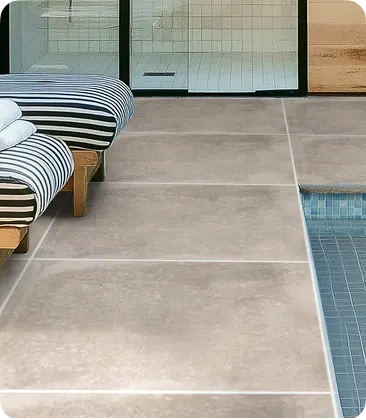
Slip-resistant tiles are designed with added texture or a specific surface finish that helps improve traction in areas where moisture is common. When browsing tile samples, look for tiles with a COF (Coefficient of Friction) rating that meets safety standards for wet surfaces. Matte finishes, textured porcelain, and certain stone tiles typically offer better grip than high-gloss styles. Reviewing a tile sample in person also helps you feel the texture and understand how the surface will perform when wet, an important consideration for bathrooms, mudrooms, and entryways where slip resistance matters most.
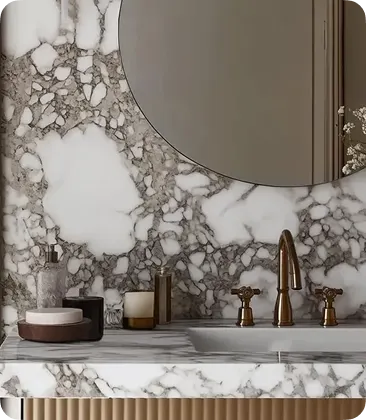
Sealing needs depend on the tile material and finish. Porcelain and most glazed ceramic tiles are naturally resistant to stains and moisture, so they generally don’t require sealing. However, natural stone tiles, such as marble, slate, and travertine, often need regular sealing to protect against spills, etching, and discoloration. Unglazed tiles may also require a penetrating sealer to maintain their appearance. Reviewing ceramic tile samples or stone tile samples can help you compare finishes and understand care requirements before installing. Always check manufacturer recommendations so you know exactly how to maintain your tile over time.