Paneling Samples
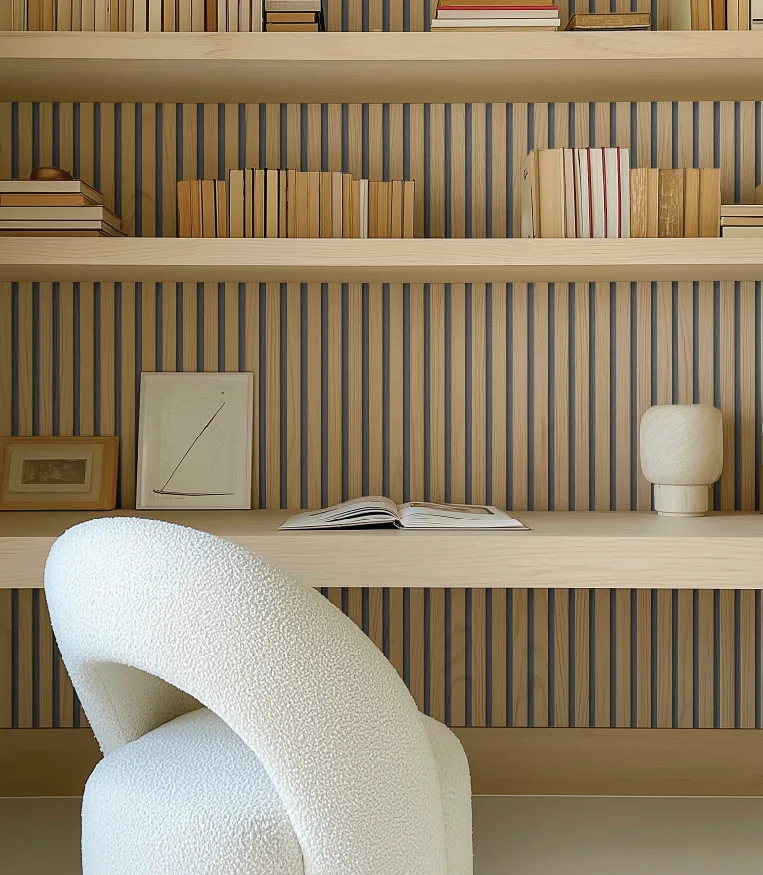
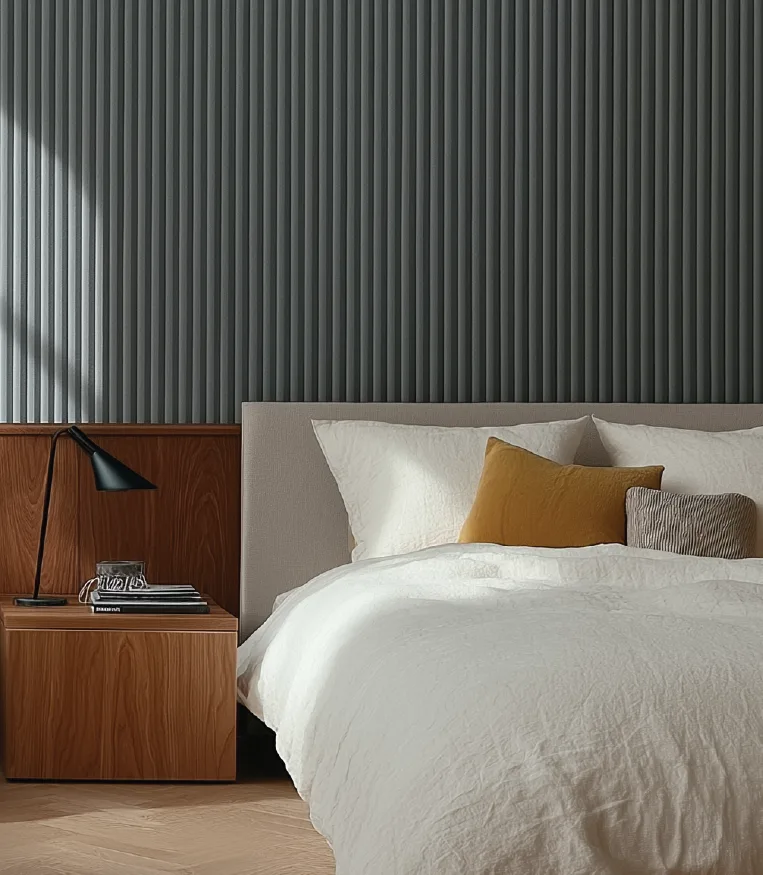
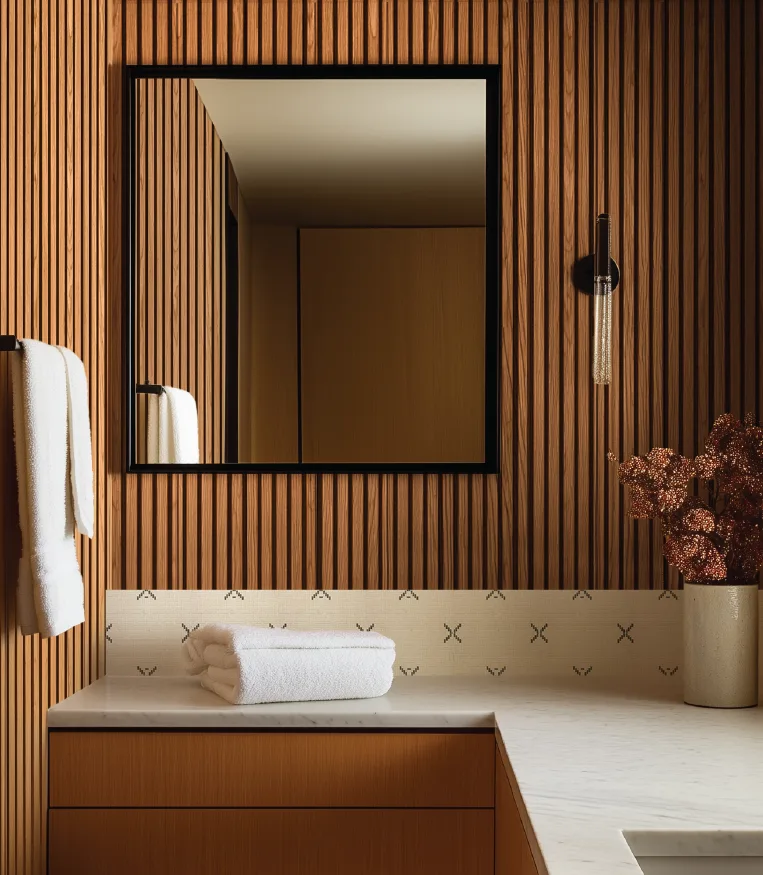
Transform any space with the perfect wall finish by exploring paneling samples from DesignShop. Whether you're looking for modern textures, timeless wood accents, or stone-inspired surfaces, our collection lets you compare styles and materials before making a final decision. From wood wall samples that bring warmth and natural beauty to a room to stone wall samples that add striking texture, paneling is a versatile design element that enhances your space with ease. Looking for a classic or rustic aesthetic? Our brick wall samples offer an effortless way to achieve that timeless appeal. With options spanning laminate, cork, wood alternatives, and synthetics, you can find the right match for your project. Choosing the right wall paneling is about more than looks—it’s about durability, texture, and how it fits into your overall design. With wall panel samples delivered overnight, you can experience how each option works with your lighting and décor before committing. DesignShop simplifies the selection process so you can focus on bringing your vision to life. Order your paneling samples today and start designing with confidence, knowing you've found the right material for your space.
Wallpaper / Paint / Cabinets